
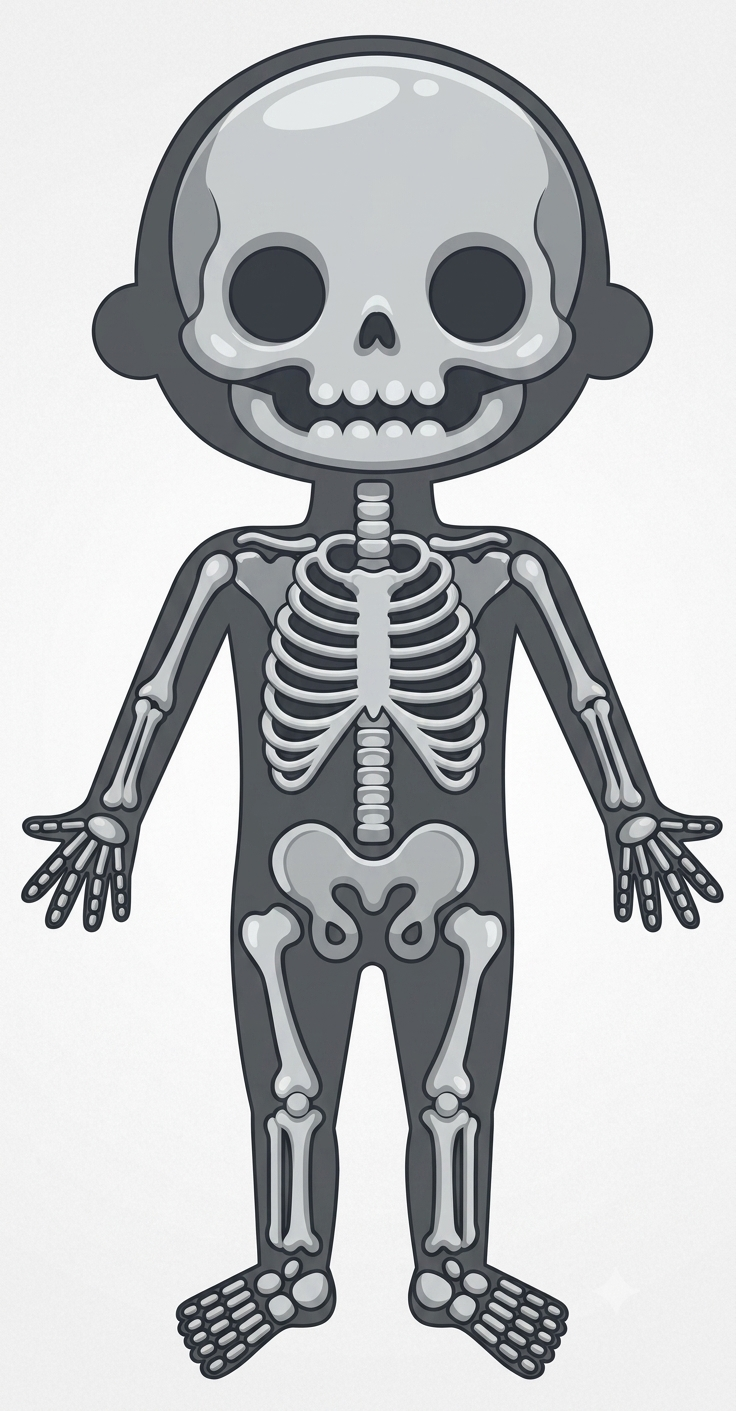
Pain Does Not Settle
If pain persists without improvement, keeps recurring or gradually worsens, consider a professional assessment.
From Diagnosis To Recovery
A Tsim Sha Tsui specialist medical team integrating orthopaedics, surgery, health screening, imaging referral, physiotherapy and rehabilitation.
Many orthopaedic problems do not require immediate surgery. An orthopaedic specialist will first understand your symptoms, perform a clinical examination and arrange X-ray, MRI, ultrasound or other investigations if needed, before recommending suitable options such as medication, physiotherapy, injections, braces, rehabilitation training or surgery when appropriate.
Book AppointmentPain Location
Select areas such as the neck, shoulder, back, knee or ankle to learn about symptoms, causes, diagnosis, treatment and rehabilitation.
Common Conditions
Each condition page is structured around patient search intent, covering symptoms, causes, diagnosis, treatment, rehabilitation and FAQs.
Low back pain assessment, physiotherapy and orthopaedic care in Tsim Sha Tsui.
Learn More →Assessment and treatment for sciatica, leg numbness and disc-related problems.
Learn More →Care for frozen shoulder, shoulder stiffness and limited shoulder movement.
Learn More →腕管綜合症、夜間手麻、手指刺痛、握力下降及骨科評估。
Learn More →Assessment for ACL injury, knee instability, MRI and reconstruction options.
Learn More →Meniscus tear, knee locking pain, arthroscopy and rehabilitation care.
Learn More →Why Choose Us
Orthopaedic and surgical specialists assess you directly and explain the diagnosis and options clearly.
Arthroscopy, laparoscopy and image-guided treatment options are considered when appropriate.
Diagnosis, treatment, physiotherapy and rehabilitation planning are connected closely.
Support is available for insurance documents and direct billing enquiries.
Conveniently located about two minutes on foot from Tsim Sha Tsui MTR station.
Send us a WhatsApp enquiry and our team will assist as soon as possible.
When To Seek Help
If pain persists, keeps recurring or already affects daily life, you should not simply endure it. Early diagnosis can help identify the source of the problem, guide suitable treatment and reduce the chance of worsening or repeated injury.
If pain persists without improvement, keeps recurring or gradually worsens, consider a professional assessment.
If pain affects walking, stairs, work, exercise or sleep, it should not be delayed for too long.
Swelling, locking, weakness or repeated sprains in joints such as the knee, shoulder or ankle may involve ligaments, meniscus, tendons or cartilage.
Numbness, tingling or weakness in the limbs may be related to nerve compression or spinal problems and should be assessed early.
Obvious pain, swelling, difficulty moving or inability to bear weight after injury should be assessed to exclude fracture or significant soft tissue injury.
In older adults, even mild pain after a fall may still indicate an occult fracture, especially in the hip, wrist or spine.
Post-operative Care
After surgery, patients can use these general recovery resources to learn about wound care, warning signs, physiotherapy and follow-up. They are for health education only; always follow the individual advice of your treating doctor and physiotherapist.
View all post-operative recovery, wound-care, warning-sign and follow-up guidance.
View All Guidance →General guidance on wound care, symptom monitoring, safe activity and staged rehabilitation after shoulder arthroscopy.
View Guidance →General guidance on wound care, symptom monitoring, safe activity and staged rehabilitation after rotator cuff repair.
View Guidance →General guidance on wound care, symptom monitoring, safe activity and staged rehabilitation after shoulder stabilisation.
View Guidance →Medical Team
Orthopaedic and surgical specialists support the full care pathway from diagnosis to recovery.
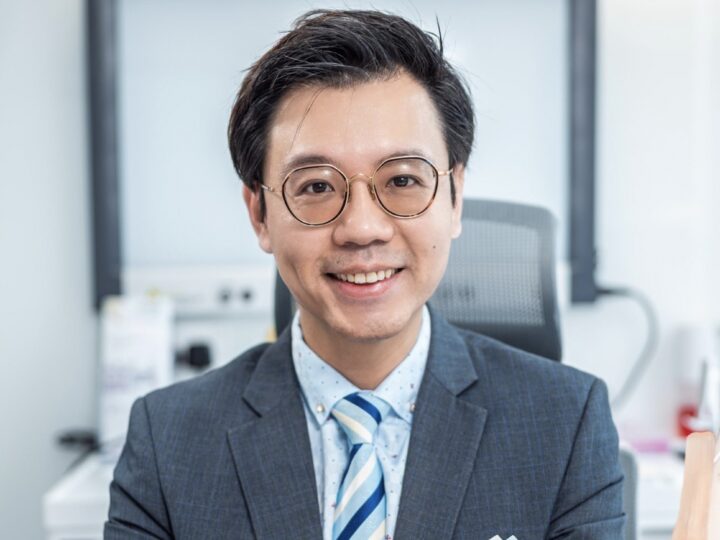
Specialist in Orthopaedics and Traumatology
Specialist in Orthopaedics and Traumatology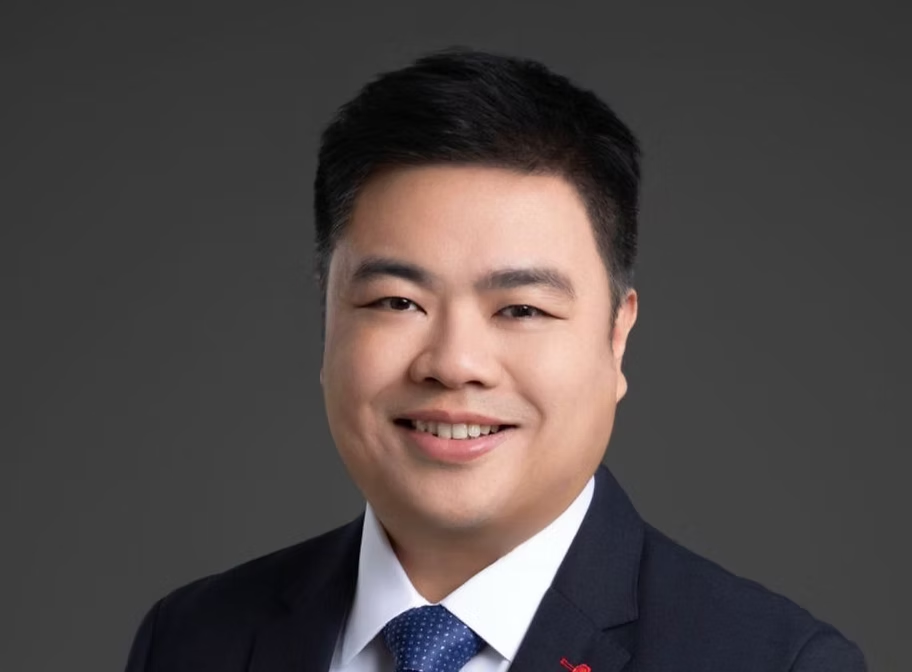
Specialist in Orthopaedics and Traumatology
Specialist in Orthopaedics and Traumatology
Specialist in Orthopaedics and Traumatology
MBBS (HK), MRCS (Ed), FRCSEd (Orth), FHKCOS, FHKAM (Orthopaedic Surgery)Recovery Examples
The following are common consultation scenarios. Diagnosis, treatment choices and recovery progress vary, and actual care should be decided after medical assessment.
A patient sought advice for knee pain and discomfort on stairs, concerned about arthritis or a meniscus problem.
The doctor reviewed symptoms, performed a clinical examination and arranged imaging where needed, then explained non-surgical and surgical options.
Treatment and rehabilitation are tailored to the diagnosis, aiming to reduce pain, improve movement and reduce recurrence.
A patient experienced night shoulder pain and difficulty lifting the arm, affecting dressing and work.
Assessment considered shoulder movement, tendons and the joint, with medication, injection or physiotherapy considered where appropriate.
Care focused on pain control, restoring movement and improving shoulder function through rehabilitation.
A patient had recurrent low back pain with leg numbness or sciatica, affecting sitting and walking.
The doctor assessed nerve function and arranged X-ray or MRI when appropriate to determine whether a nerve was compressed.
Medication, physiotherapy, injections or further treatment are considered according to the condition, with the aim of identifying the source of pain and improving daily function.
Patient Reviews
The following are excerpts from public Google reviews. You may also visit the Google Business Profile to view more public comments.
The reviewer appreciated the doctor’s careful assessment, clear explanation of the condition and treatment process, and supportive approach throughout recovery.
Editorial English summary of an original Chinese Google review. Google ReviewThe reviewer described a family member’s meniscus surgery and follow-up care, including rehabilitation support, and expressed appreciation for the doctor’s attentiveness.
Editorial English summary of an original Chinese Google review. Google ReviewThe reviewer appreciated the detailed explanation of an Achilles tendon injury and surgery, post-operative care, and consideration of treatment costs.
Editorial English summary of an original Chinese Google review. Google ReviewPatient FAQ
No. Many orthopaedic problems can first be managed without surgery, such as medication, physiotherapy, posture and activity modification, braces, injections or rehabilitation training. The specialist’s role is to identify the cause of pain and recommend suitable options.
In general, it is better to see a doctor first for symptom review and clinical examination, then decide whether X-ray, MRI, ultrasound or other tests are needed. Different pain problems require different tests.
If pain recurs, becomes more frequent, affects exercise or daily activity, or is associated with numbness, swelling, weakness or locking, consider an orthopaedic assessment.
Minor strains may improve with rest. However, if there is obvious swelling, inability to bear weight, instability, limited movement, severe pain or suspected fracture, seek medical care promptly.
Not necessarily. Older adults, especially those at risk of osteoporosis, may still have an occult fracture or spinal compression fracture even if they can walk. Persistent hip, back, wrist or shoulder pain should be assessed.
Many orthopaedic problems benefit from rehabilitation after treatment to improve range of movement, strength, balance and function. The doctor will recommend a suitable plan based on the condition and recovery progress.
Book Appointment
Leave your details or WhatsApp us directly. Our team will help arrange an appropriate doctor, investigation and rehabilitation follow-up.