
Persistent Knee Pain and Progressive Deformity
If knee pain persists, affects walking or makes stairs difficult, assessment can clarify the cause and available treatment options.

Insights
Orthopaedics, physiotherapy, sports injury, spine, surgery and health screening articles.
If knee pain persists, affects walking or makes stairs difficult, assessment can clarify the cause and available treatment options.

Increased phone and computer use at home, combined with poor workstation posture, may contribute to uneven shoulder posture, neck pain and nerve-related symptoms.
Age and body weight can be used in a preliminary osteoporosis risk tool. People at higher risk may be advised to have formal bone-density assessment.
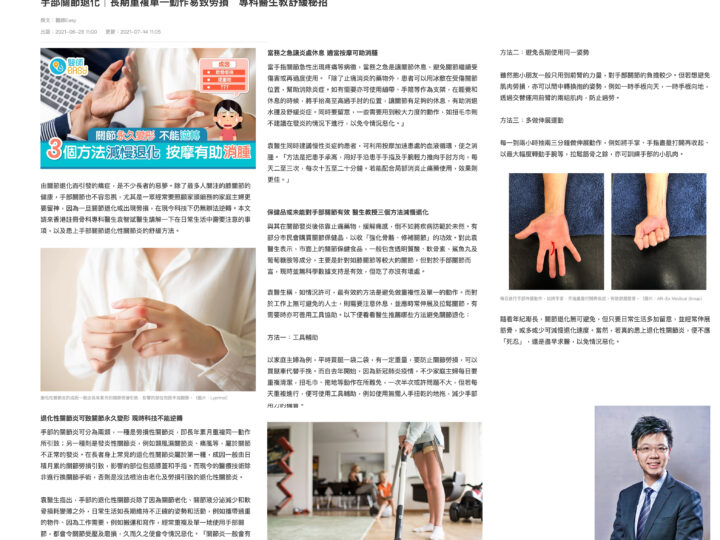
Hand osteoarthritis may cause joint pain, swelling and deformity. Repetitive tasks and working posture may also influence symptoms.
Vitamin D and calcium are important for bone health, while sun exposure must be balanced against skin-cancer risk. Individual needs vary.
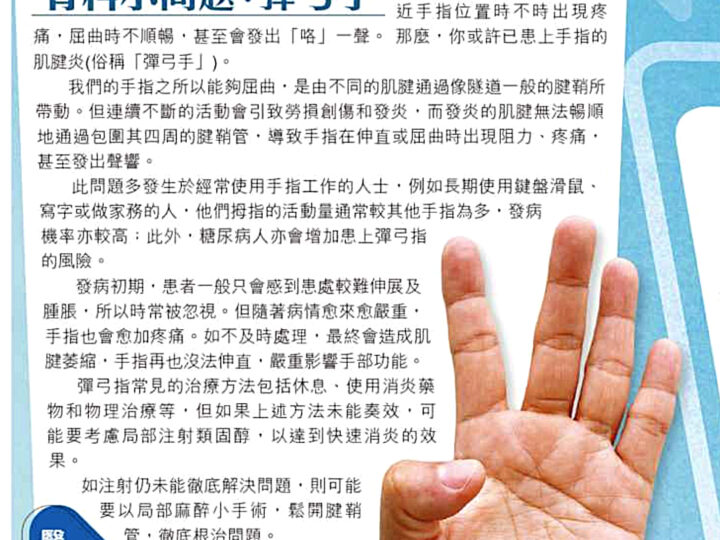
Trigger finger is common in people who use their fingers repetitively. Persistent symptoms may affect hand function and everyday work.
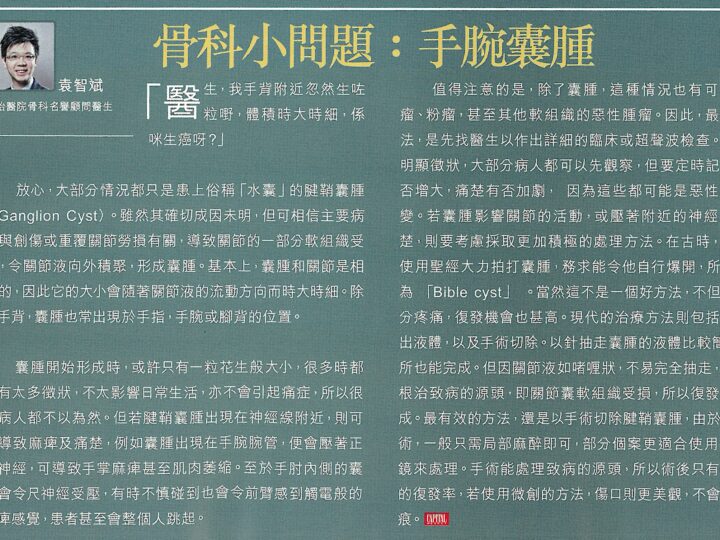
A lump that changes size around the back of the hand or wrist is often a ganglion cyst. Observation or treatment depends on its site and symptoms.
Ganglion cysts arise near joints or tendon sheaths. Medical assessment is advisable if a cyst compresses a nerve, causes pain or limits movement.
Finger pain, catching or clicking may indicate trigger finger. Early assessment can help prevent worsening inflammation and functional limitation.
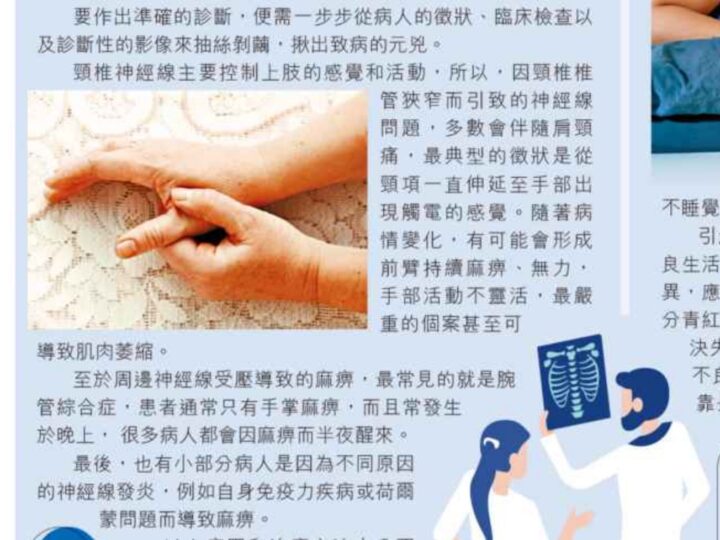
Hand numbness may be associated with carpal tunnel syndrome, cervical nerve compression, diabetes or another neurological condition. Identifying the cause guides treatment.