
Pain Does Not Settle
If pain persists without improvement, keeps recurring or gradually worsens, consider a professional assessment.
Orthopaedic Health Education
Learn about common orthopaedic problems, warning symptoms and treatment directions so you can move with more confidence.
Our orthopaedic team assesses and treats problems affecting bones, joints, muscles, ligaments and tendons. Clear communication is the first step in care, and we support patients with professional assessment and empathy.
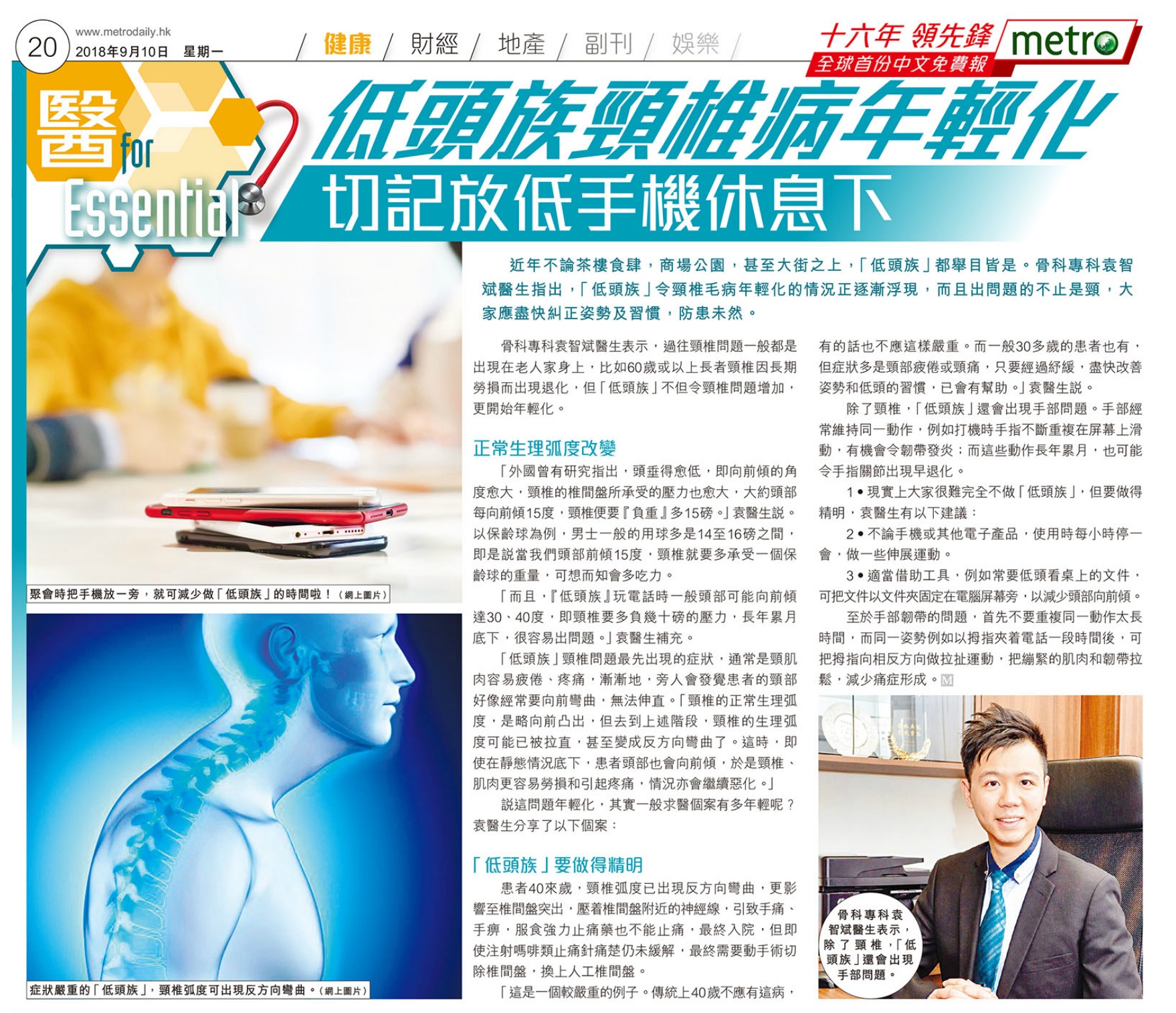
Untreated spinal problems can affect daily quality of life. Seek specialist advice early if symptoms develop.

越早開始治療,越能保護關節並減緩退化進程。

及時的診斷和治療能提高恢復效果,讓您安全地回到心愛的運動。
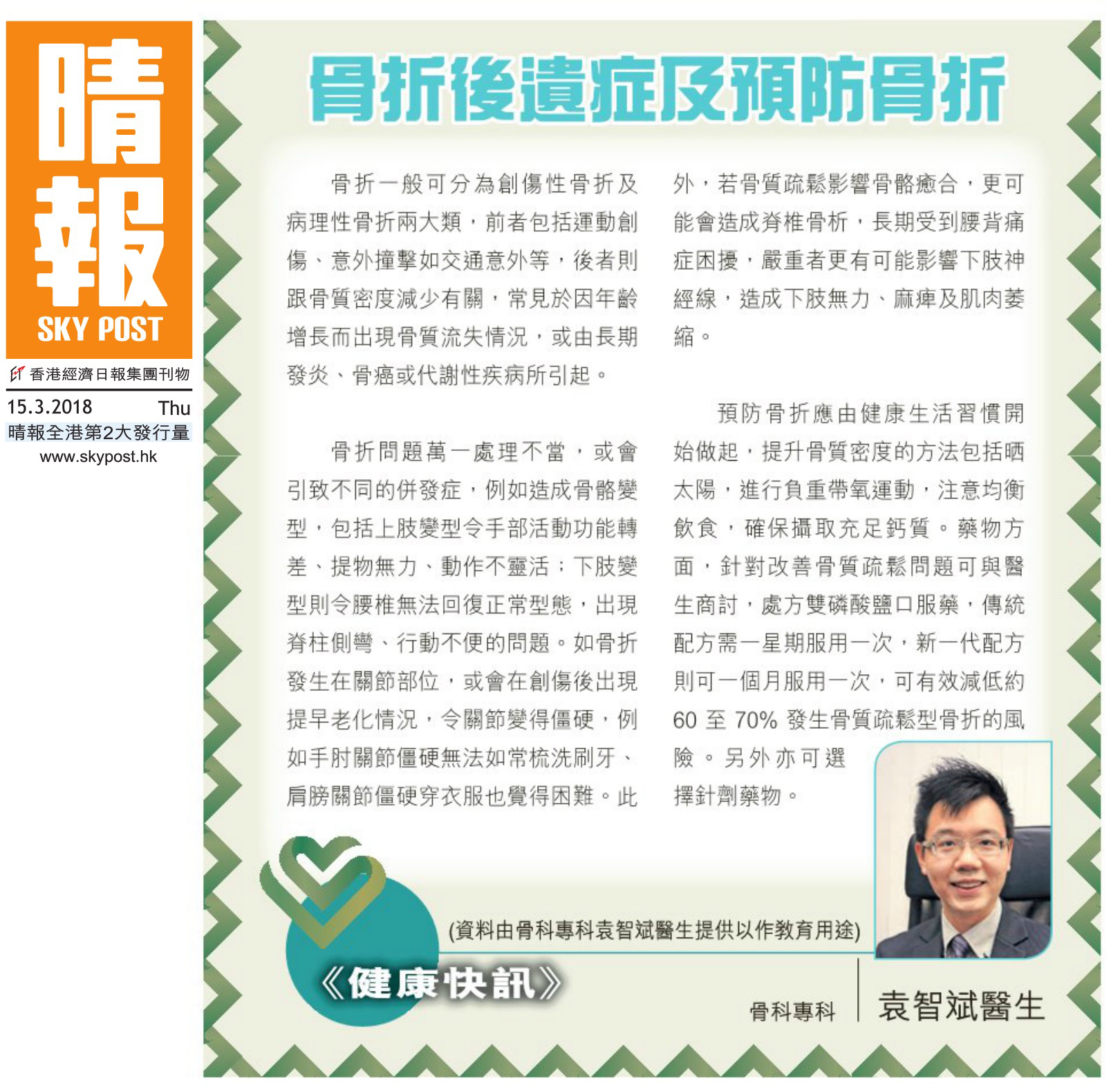
骨折後立即就醫可改善最終恢復效果。

改善工作姿勢、定期休息、適當Stretching Exercises可有效預防手足問題。
When To Seek Help
If pain persists, keeps recurring or already affects daily life, you should not simply endure it. Early diagnosis can help identify the source of the problem, guide suitable treatment and reduce the chance of worsening or repeated injury.
If pain persists without improvement, keeps recurring or gradually worsens, consider a professional assessment.
If pain affects walking, stairs, work, exercise or sleep, it should not be delayed for too long.
Swelling, locking, weakness or repeated sprains in joints such as the knee, shoulder or ankle may involve ligaments, meniscus, tendons or cartilage.
Numbness, tingling or weakness in the limbs may be related to nerve compression or spinal problems and should be assessed early.
Obvious pain, swelling, difficulty moving or inability to bear weight after injury should be assessed to exclude fracture or significant soft tissue injury.
In older adults, even mild pain after a fall may still indicate an occult fracture, especially in the hip, wrist or spine.
Patient FAQ
No. Many orthopaedic problems can first be managed without surgery, such as medication, physiotherapy, posture and activity modification, braces, injections or rehabilitation training. The specialist’s role is to identify the cause of pain and recommend suitable options.
In general, it is better to see a doctor first for symptom review and clinical examination, then decide whether X-ray, MRI, ultrasound or other tests are needed. Different pain problems require different tests.
If pain recurs, becomes more frequent, affects exercise or daily activity, or is associated with numbness, swelling, weakness or locking, consider an orthopaedic assessment.
Minor strains may improve with rest. However, if there is obvious swelling, inability to bear weight, instability, limited movement, severe pain or suspected fracture, seek medical care promptly.
Not necessarily. Older adults, especially those at risk of osteoporosis, may still have an occult fracture or spinal compression fracture even if they can walk. Persistent hip, back, wrist or shoulder pain should be assessed.
Many orthopaedic problems benefit from rehabilitation after treatment to improve range of movement, strength, balance and function. The doctor will recommend a suitable plan based on the condition and recovery progress.
Book Appointment
Book a consultation to start a clearer path toward recovery.