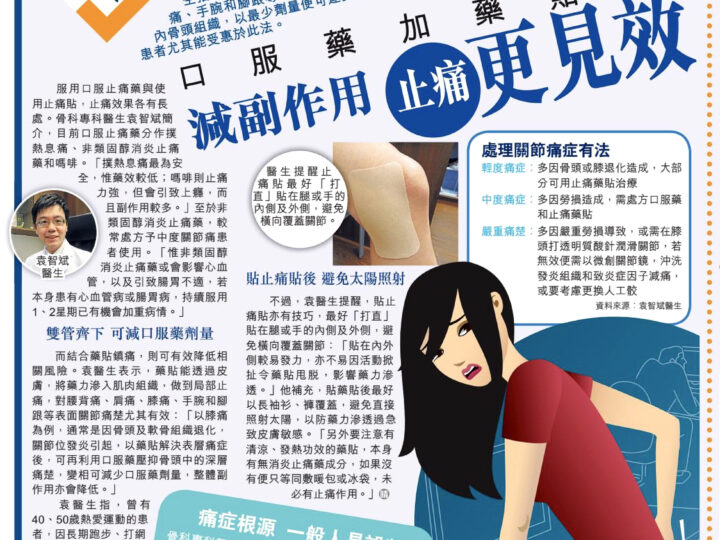
Oral and Topical Medicines for Pain Relief
Joint, back and sports-related pain may be managed with oral or topical medicines in selected cases. Choice should account for effectiveness, side effects and medical history.
Insights
Orthopaedics, physiotherapy, sports injury, spine, surgery and health screening articles.
Joint, back and sports-related pain may be managed with oral or topical medicines in selected cases. Choice should account for effectiveness, side effects and medical history.
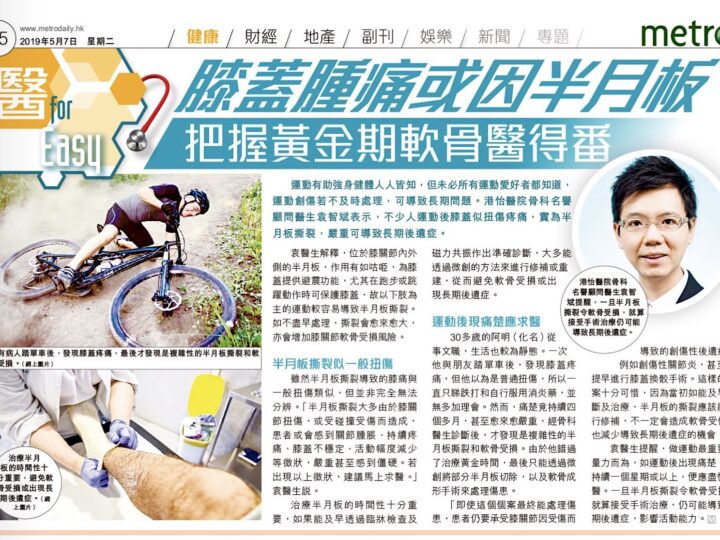
A meniscus tear may be mistaken for a simple sprain. Delayed assessment can allow persistent mechanical symptoms or further cartilage damage.
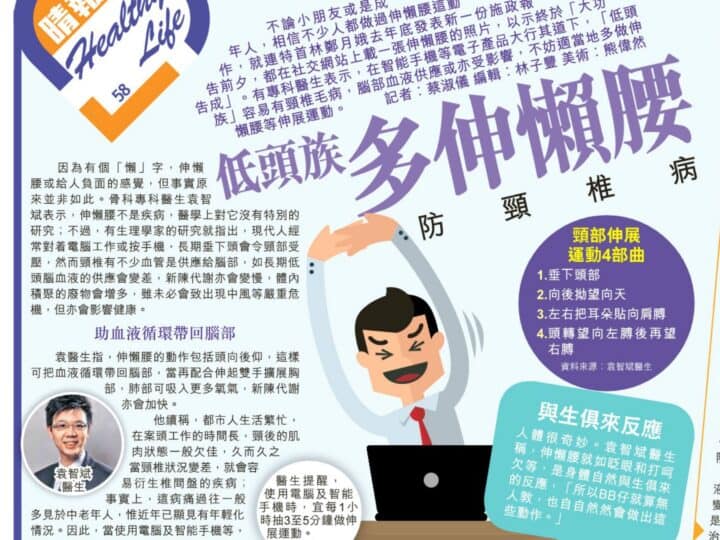
Prolonged phone or computer use increases load on the cervical spine. Regular posture changes and gentle movement may help reduce neck and shoulder muscle strain.
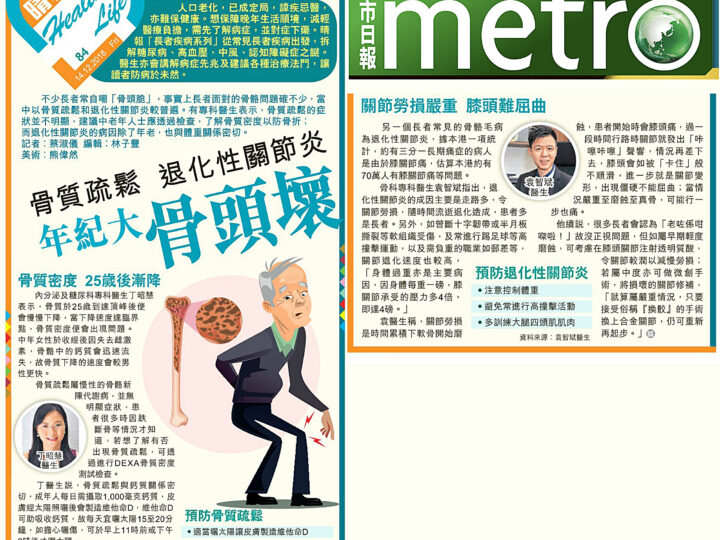
Osteoporosis and osteoarthritis are common but different conditions. Risk assessment, suitable activity and weight management may help reduce fracture and joint-pain risks.
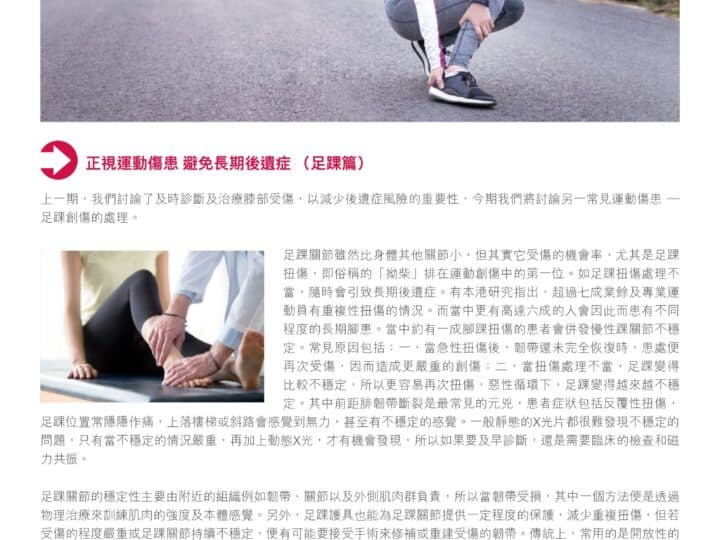
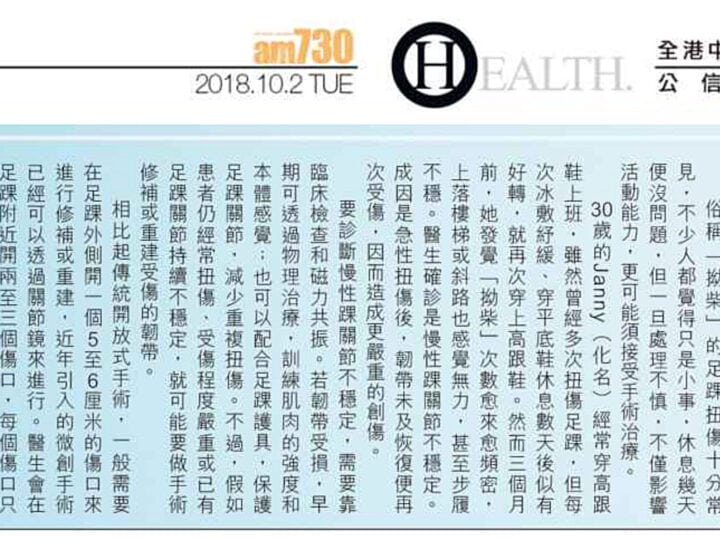
An ankle sprain that is not rehabilitated appropriately may recur and develop into chronic ankle instability.
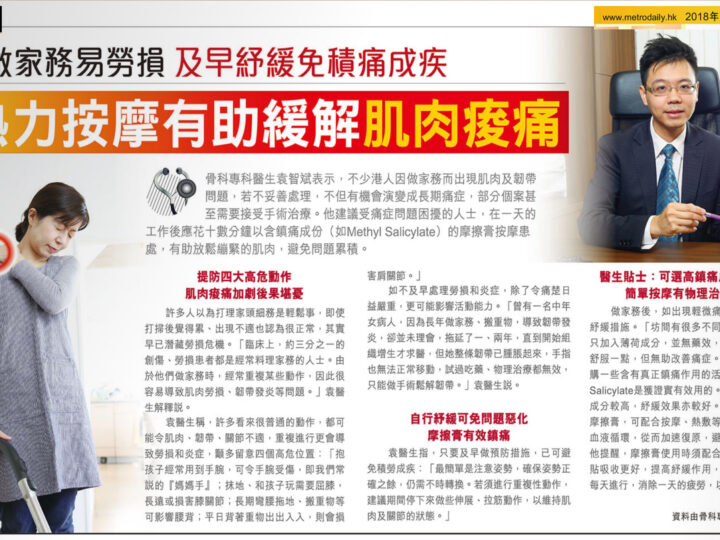
Housework and repetitive daily activity may strain muscles and ligaments. Appropriate rest, gentle stretching and heat or massage may help some types of muscle soreness.
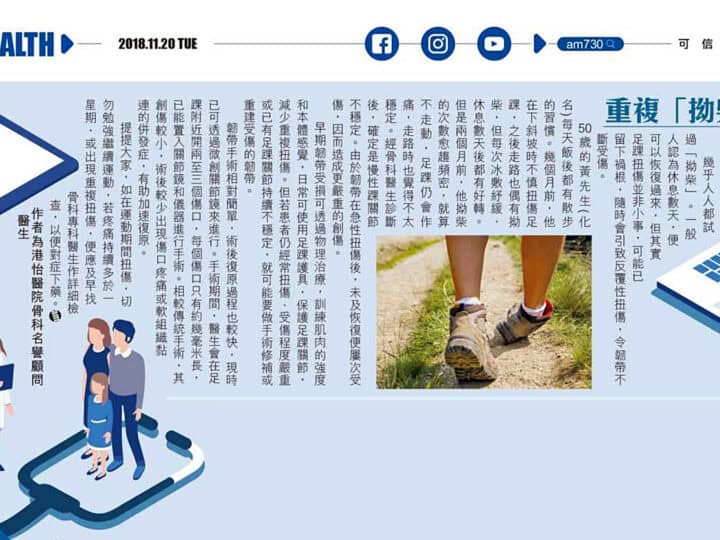
Repeated sprains may mean the ligaments have not fully recovered or the joint remains unstable. Delayed care may increase the risk of longer-term problems.
An ACL tear may affect knee stability. Treatment for active patients should be considered in light of instability, associated injury and functional goals.
Long-standing ankle instability may require clinical examination and MRI assessment. Minimally invasive ligament repair may be considered for suitable patients.
Repeated ankle sprains, weakness on stairs or persistent ankle discomfort may be associated with chronic ankle instability.